By the Yerba Buena Tea Co. team. September 2026.
The short answer: most tea is brewed too hot for too long. Two variables, water temperature and time, decide almost everything in your cup, and the rule of thumb is simple. The more delicate the leaf, the cooler the water and the shorter the steep. Delicate greens want about 175°F for 1 to 2 minutes. Sturdy black teas want near-boiling for 3 to 5. Herbs want a full boil and all the time you can give them. The exact numbers for every type are in the chart below.
The brewing chart: every type of tea
Times assume one rounded teaspoon of loose leaf per 8 oz cup, the standard we blend for. Start at the low end of each range and adjust to taste.
| Type | Water temp | Steep time | Re-steep? |
|---|---|---|---|
| White tea | 175°F | 3–4 min | Yes, 2–3 times |
| Green tea | 175°F | 1–2 min | Yes, 2–3 times |
| Oolong tea | 190°F | 2–4 min | Yes, 3+ times |
| Black tea | 205°F | 3–5 min | Once, gladly |
| Pu-erh tea | 212°F (boil) | Quick rinse, then 3–5 min | Yes, many times |
| Herbal tea | 212°F (boil) | 5–7 min | Usually once |
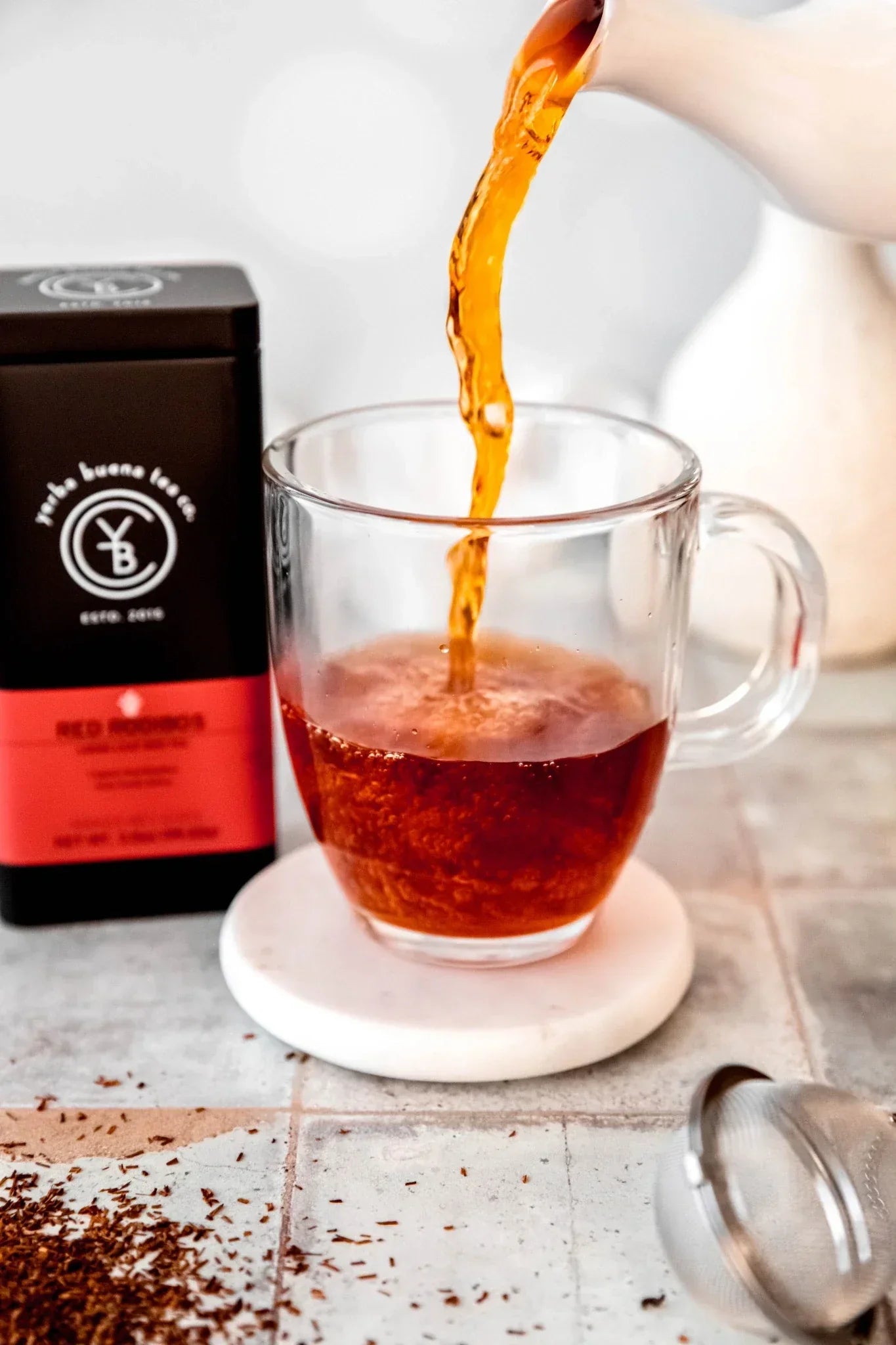
| Rooibos | 212°F (boil) | 5–7 min | Once |
| Yerba mate | 175°F | 4–6 min | Yes, several |
| Chai (stovetop) | Simmered | 10–15 min with milk | No |

Why temperature matters more than anything
Heat is the throttle on extraction. Hot water pulls everything out of a leaf fast: flavor, aroma, and the bitter tannins that live alongside them. Delicate leaves like green and white release their bitterness easily, so boiling water scorches them in seconds. That is the single most common reason people think they hate green tea, and the fix is the whole story of our guide to why green tea turns bitter.
Sturdier leaves run the other direction. Fully oxidized black tea and aged pu-erh hold their structure at a boil and reward it with depth. Herbs, roots, and flowers are not tea leaves at all, so they want maximum heat and time to give up everything they have. One plant family, many tolerances. If you want the full map of how one leaf becomes five different teas, start at our types of tea guide.
No thermometer? Use the kettle clock
Boil your kettle, take the lid off, and let time do the measuring. Right off the boil is 212°F. After about 30 seconds it sits near 205°F, black tea territory. A 2-minute rest lands around 190 to 195°F for oolong. At 4 to 5 minutes it reaches the 175°F a sencha wants. Kettles with temperature settings make this effortless, but the resting kettle has brewed perfect tea for centuries.
The ratio, and when to break it
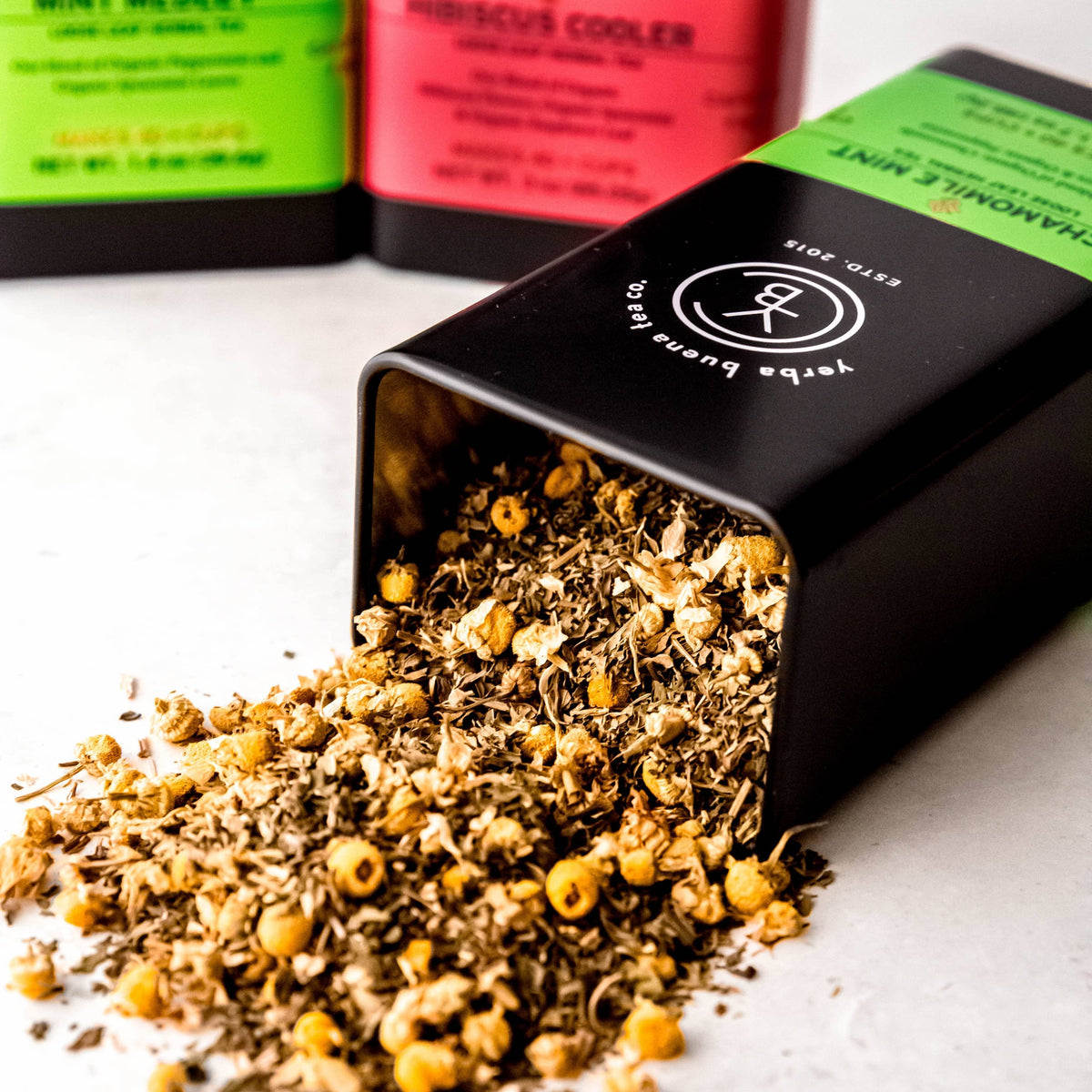
One rounded teaspoon per 8 oz cup is the baseline for most loose leaf. Fluffy, voluminous blends (big herbal flowers, whole chamomile) like a heaping teaspoon. Dense, rolled teas (gunpowder green, oolong pearls) need a level one. Brewing for ice? Double the leaf and keep the time the same, the method behind our iced tea guide. Every YBTCO tin carries its blend's exact ratio, temperature, and time on the label, and every product page repeats them in the Craft Your Cup guide.

Re-steeping: the free second cup
Whole leaves are built to go again. Greens, whites, and oolongs give a second and third steep that many drinkers prefer to the first. Add about 30 seconds each round. Pu-erh practically demands it, improving for four or five infusions. Black teas give one generous encore. Herbal blends usually spend themselves in a single long steep, which is why we give them 7 minutes up front.
Frequently asked questions
How long should I steep green tea?
1 to 2 minutes at about 175°F. Past 2 minutes, the tannins take over. If your green cup tastes like regret, shorten the steep before you blame the leaf.
Can I use boiling water for everything?
For herbal teas, rooibos, pu-erh, and most black teas, yes. For green, white, oolong, and yerba mate, boiling water is the most common mistake in tea. One exception: roasted green teas like our Houjicha shrug off a full boil. The roast does what heat protection would. Let the kettle rest first for everything else delicate.
How much loose leaf per cup?
A rounded teaspoon per 8 oz, heaping for fluffy botanicals, level for dense rolled leaves. Doubling the leaf, never the time, is the right way to brew stronger.
Does a longer steep mean more caffeine?
Somewhat, but leaf type matters far more than steep time. The full breakdown by cup is in our tea vs coffee caffeine chart.
Why does my tea taste flat?
Usually stale leaf or under-leafing rather than technique. Whole leaves in a sealed tin hold their character for about a year. If the aroma has faded in the tin, it will fade in the cup.