
By the Yerba Buena Tea Co. team. Updated June 2026.
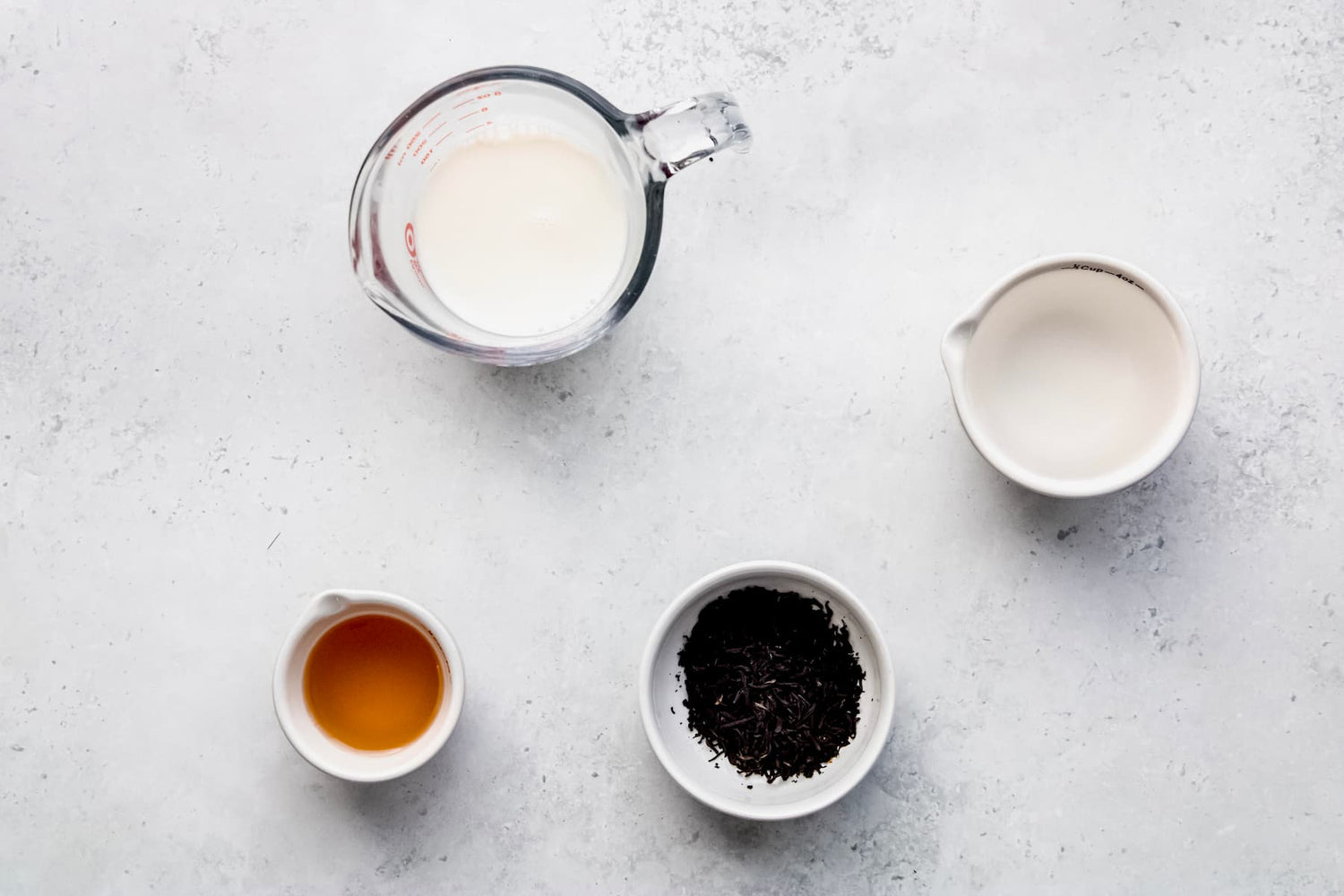
The quick version: milk tea is just strong black tea and milk, lightly sweetened. To make a creamy cup at home in about 10 minutes, simmer 2 teaspoons of Assam in 1 cup of water with ½ cup of milk for 3 to 5 minutes, strain, and sweeten to taste. No artificial powders, and no boba required (though you can add it). The full recipe card, with a quick-steep option, is just below.
There is something deeply comforting about a cup of milk tea. Rich, creamy, perfectly sweet, it is a staple in tea shops around the world. You don't need to leave the house, or rely on artificial powders, to enjoy it. Making real, organic milk tea at home is simple, as long as you start with the right base.
The secret is the base tea
The biggest mistake people make is using a weak tea base. Milk mutes flavor, so you need a bold, malty black tea that can punch through the cream.
- The gold standard: Organic Assam. Grown at low elevation in India, it has a natural maltiness that loves sugar and milk.
- The classic: English Breakfast. A robust blend built to be drunk with milk.
Lighter, more delicate teas get lost behind the milk, so save those for drinking on their own. Not sure which is which? Our guide to the types of tea breaks it down.
Milk tea vs bubble tea: what's the difference?
This trips a lot of people up, so let us clear it up. Milk tea is the drink itself: strong tea plus milk and a little sweetener. Bubble tea (also called boba) is milk tea with chewy tapioca pearls added at the bottom. So bubble tea is milk tea, plus boba. You do not need pearls to make a great milk tea, and this recipe is delicious without them. If you do want the full boba experience, the recipe card below has a quick note on adding tapioca pearls.
Why organic matters
Most boba and milk tea shops build their drinks on powders full of non-dairy creamer and artificial flavors. Make it at home with Yerba Buena Tea Co. loose leaf and you get the real, antioxidant-rich whole leaf with none of the additives. It is a daily treat you can feel good about.
Hot or iced
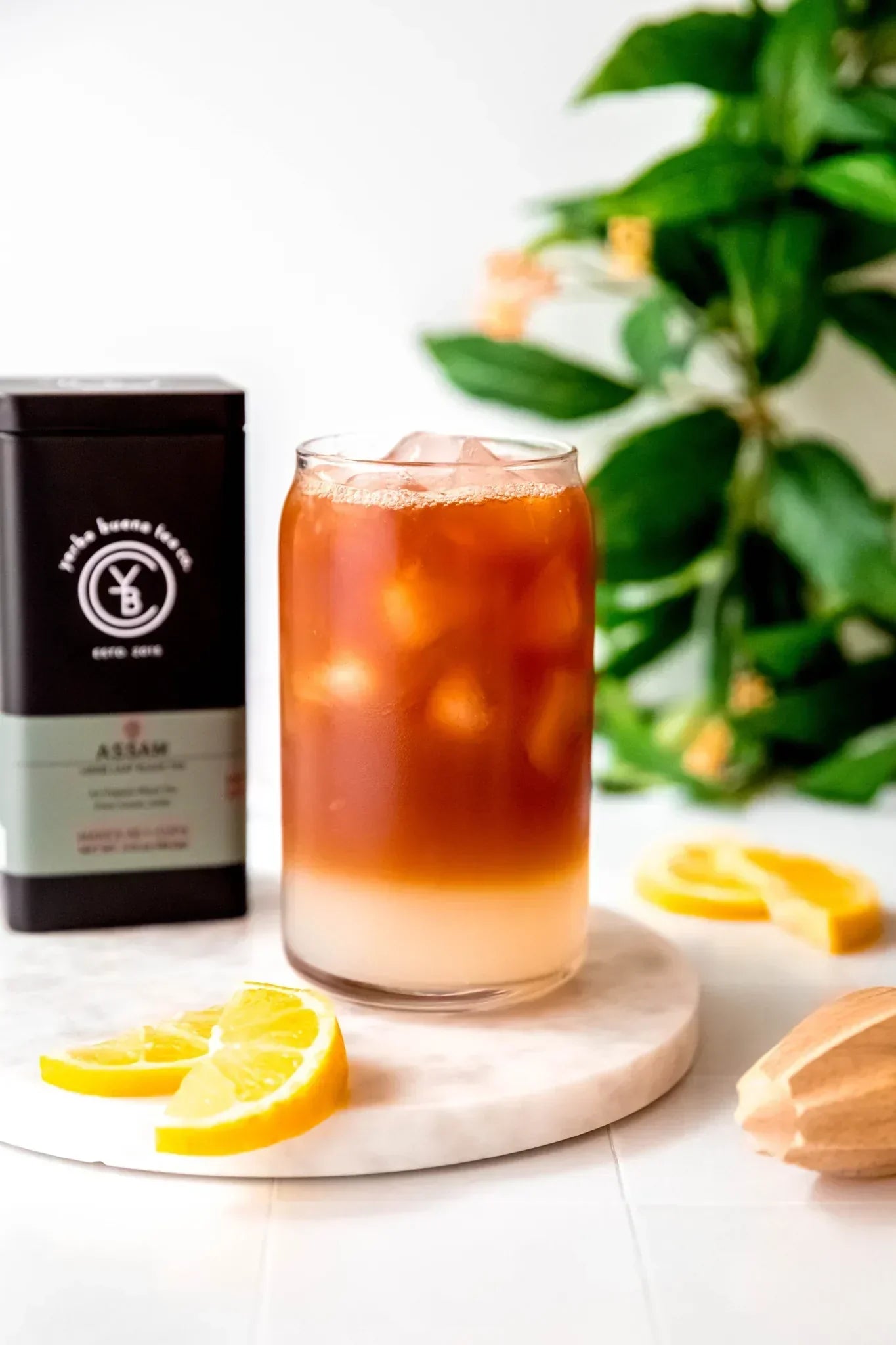
Milk tea is lovely both ways. Serve it warm and creamy from the saucepan, or brew a strong concentrate, sweeten it while hot, cool it, and pour it over ice with cold milk for an iced milk tea. The same chill-it-right trick we use in our guide to making iced tea works perfectly here.
Ready to make a cup? The full recipe, with both a creamy simmer method and a quick steep method, is in the card below.
Frequently asked questions
What is in milk tea?
Three things: strong black tea, milk, and a little sweetener (sugar, honey, or maple). That is it. Shops often add powders and creamers; the homemade version skips all of that.
Is milk tea just black tea and milk?
At its core, yes, strong black tea and milk, lightly sweetened. The magic is in using a bold, malty tea like Assam so the flavor still comes through the cream.
What is the difference between milk tea and bubble tea?
Bubble tea (boba) is milk tea with chewy tapioca pearls added. Milk tea is the drink on its own. You can make this recipe with or without boba.
What is the best tea for milk tea?
A bold black tea. We recommend Assam for its maltiness or English Breakfast, which was practically designed for milk. Brown sugar or maple syrup adds a lovely depth if you want that boba-shop flavor.
Can I make milk tea without boba?
Absolutely, and most milk tea is made without it. This recipe is built to be great as-is. Add tapioca pearls only if you want bubble tea.
Is milk tea caffeinated?
Yes. It is built on black tea, so a cup has roughly 40 to 70 mg of caffeine, about half a coffee. See our tea vs coffee caffeine chart for the full picture.
0 comments