Product image 1, can be opened in a modal.
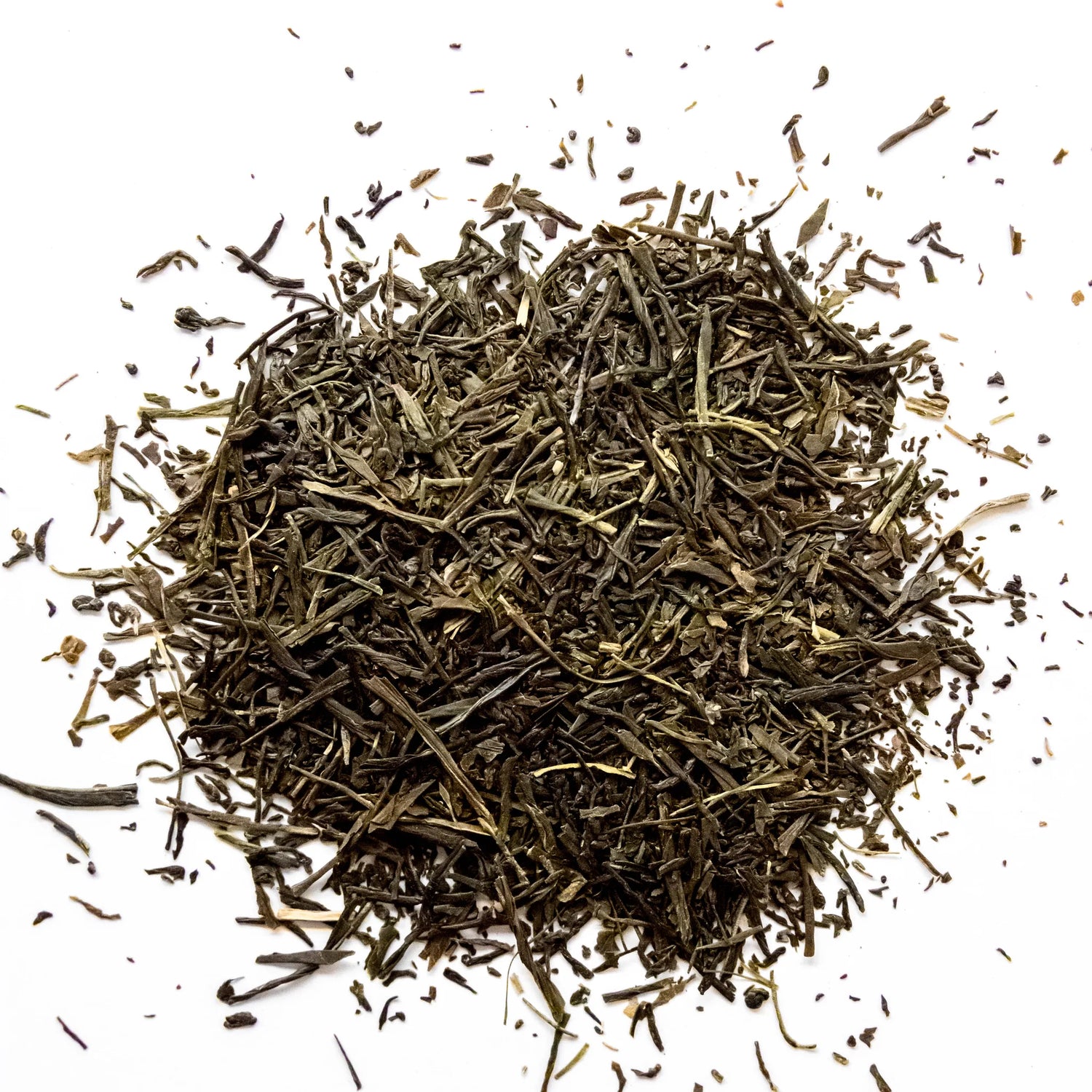
Loose leaf green sencha tea scattered on white background in natural dried leaf form, by Yerba Buena Tea Company.
Product image 2, can be opened in a modal.
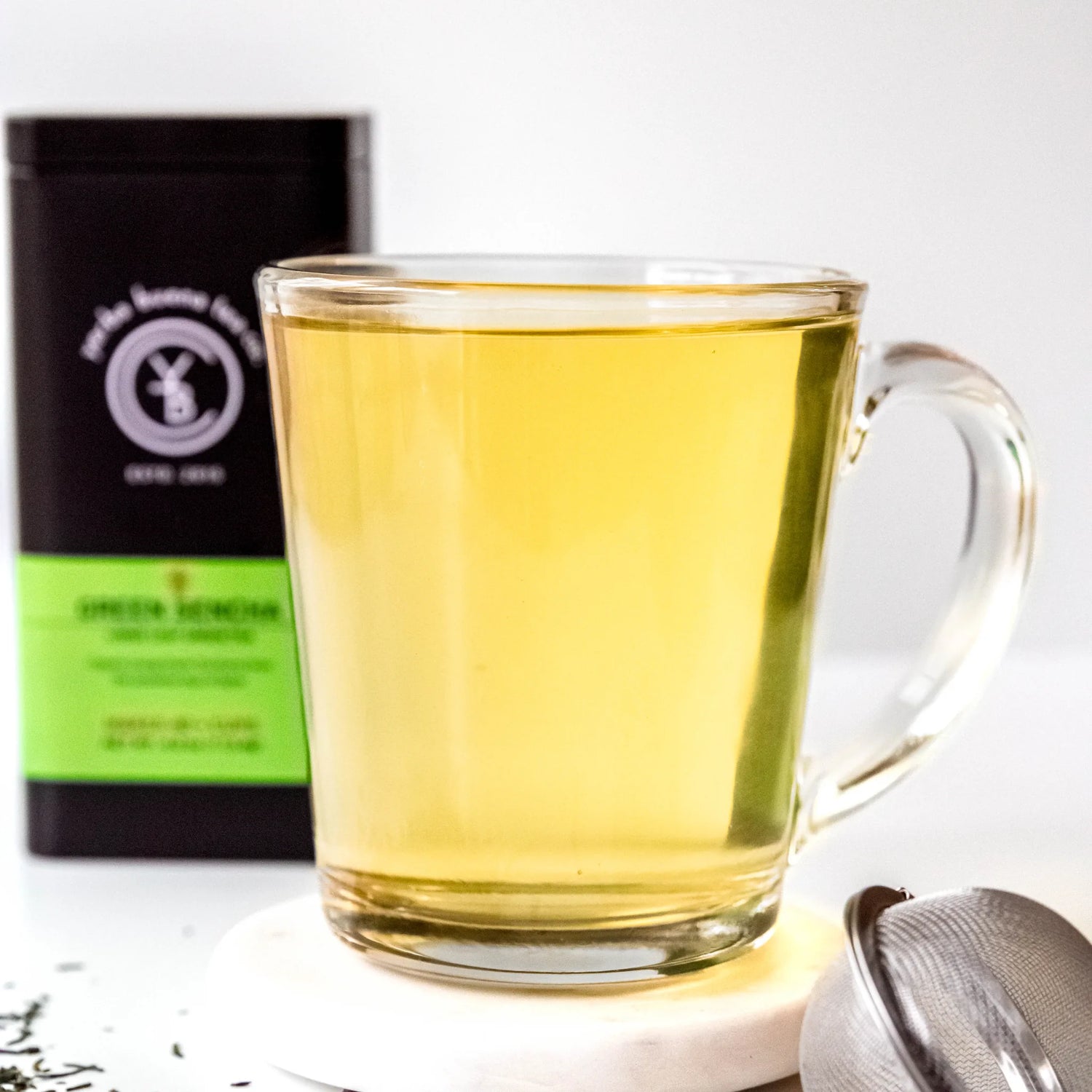
Brewed pale yellow green sencha tea in a clear glass mug with packaging in background, by Yerba Buena Tea Company.
Product image 3, can be opened in a modal.
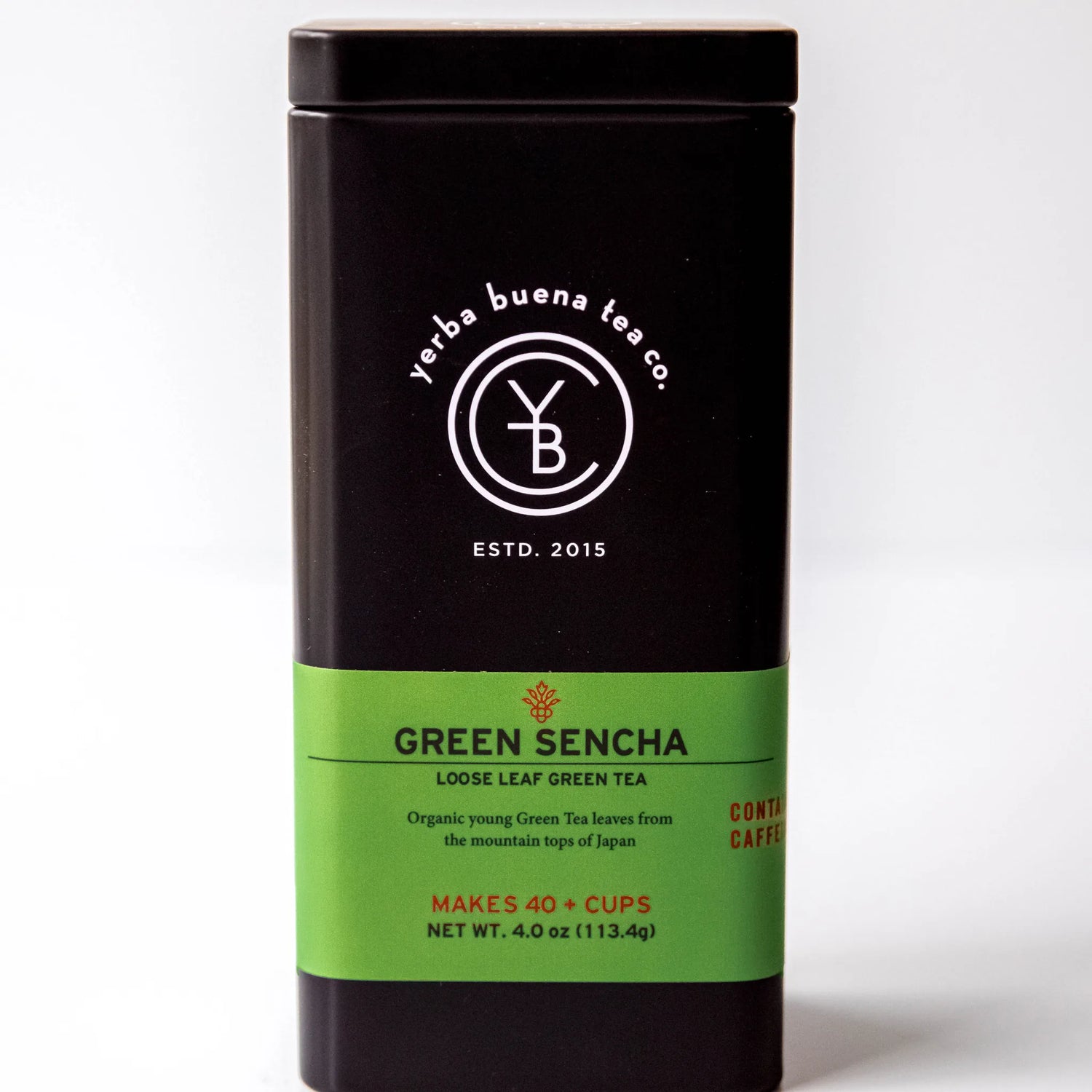
Green Sencha loose leaf green tea in a black cylindrical canister with bright green label, by Yerba Buena Tea Company.

Organic Green Tea | Vegetal & Umami | Medium Caffeine

Organic Green Sencha Tea

Grown in Japan Grassy Sweet

Japan's everyday green tea, steamed within hours of harvest to lock in the bright, vegetal character. The cup tastes like the first day of spring.

Ingredients: Organic Green Tea.

Regular price $24.00 USD
Regular price Sale price $24.00 USD
Shipping calculated at checkout.
Size: Tea Tin
  • Free shipping $70+
  • Small business
  • Secure checkout
About Green Sencha

The everyday tea that built Japanese tea culture.

Sencha is the baseline green tea of Japan, the tea drunk in homes and offices across the country every day. This organic version follows the traditional steaming method: leaves plucked in spring or early summer, steamed within hours of harvest to stop oxidation, then rolled and dried. The result is a bright, vegetal cup with a savory umami depth that reads as brothy without being heavy. Needle-shaped leaves that unfurl when they hit water. A clear, emerald-green liquor. The cup that explains what green tea is supposed to taste like.

Why steaming, not firing.

Most green teas get pan-fired to stop oxidation, which gives the leaf a toasted, nutty character. Japanese Sencha gets steamed instead. The steam stops oxidation just as effectively but preserves the chlorophyll and the fresh, vegetal compounds that define the Japanese green tea profile. The difference is immediate: a steamed tea tastes green and alive. A pan-fired tea tastes warm and roasted. Both are green tea. The methods produce entirely different cups.

The water temperature matters more than the steep time.

Boiling water scorches the leaf and extracts bitter tannins. Water at 175°F extracts the amino acids, the natural sweetness, and the umami compounds without pulling the astringency. Let the kettle cool for 5 minutes after it boils. Pour. Steep 2 minutes. The cup will taste grassy, sweet, and brothy instead of bitter and sharp.

Organic Ingredients
  • Organic Green Tea
Tasting Notes

Aroma: Fresh-cut grass and steamed edamame. A hint of the ocean, like seaweed dried in the sun.

In the cup: Vegetal and bright up front. The sweetness opens first, then the umami depth settles in. The body feels round and slightly thick, almost brothy, without being heavy.

Finish: Clean and crisp. A lingering sweetness with a dry, astringent edge that wakes the palate.

Why You'll Love It

The steaming process: Sencha leaves are steamed for 30 to 90 seconds immediately after plucking. The steam denatures the enzymes that cause oxidation, which is what locks in the green color and the fresh, vegetal flavor. The method dates back to the 1700s in Japan, when a monk named Sohen Nagatani refined the rolling and steaming techniques that became the standard for Japanese green tea production.

Umami in tea: The fifth taste, identified by Japanese chemist Kikunae Ikeda in 1908. In Sencha, the umami comes from L-theanine and glutamic acid, amino acids that build up in the leaf when it grows in partial shade. The sensation reads as savory, brothy, mouth-coating. It is the same taste that defines dashi, miso, and aged Parmesan.

The meditation ritual: Watch the needle-shaped leaves unfurl as they steep. The transformation from tight, dark green needles to open, flat leaves takes about 90 seconds. A small act of attention before the first sip.

Green Sencha loose leaf green tea in a black cylindrical canister with bright green label, by Yerba Buena Tea Company.

Green Sencha

Regular price $24.00 USD
Regular price Sale price $24.00 USD
TeaJapan

Organic Green Sencha Tea

Steep cool. Sip vivid.

Caffeine: Medium
8.0 oz
Water
175°F
Temperature
1.0 tsp
Leaf
2 min
Steep Time
Re-Steep · Up to 1×
Let the boiled water cool for 5 minutes before you pour it over the leaves. The 175°F brew temperature is what keeps the cup sweet and vegetal instead of bitter. Re-steep once at the same temperature for a second cup that is lighter but just as clean.
1
Cup

Craft Your Cup

A few notes from our teamakers.

Cold-Brew Sencha with Cucumber
Combine 2 teaspoons of Sencha and 3 thin slices of cucumber in 16 ounces of cold water. Refrigerate 6 to 8 hours. Strain. Pour over ice. The cucumber amplifies the vegetal, grassy notes. Drinks like a spa water with depth.

Sencha with Sushi
Brew 1 teaspoon in 8 ounces at 175°F, steep 2 minutes. Sip between pieces of sushi. The umami in the tea mirrors the umami in soy sauce and nori. The astringency cuts through the fat in fish like salmon or toro. The pairing explains why green tea and sushi evolved together in Japanese food culture.

Sencha Ochazuke
A traditional Japanese comfort dish. Brew a strong cup of Sencha (1.5 teaspoons, 8 ounces, 2 minutes). Pour the hot tea over a bowl of leftover rice. Add a pinch of salt, a sprinkle of sesame seeds, and a small piece of grilled salmon or pickled plum. The tea softens the rice, the umami ties the whole thing together. Breakfast, lunch, or late-night snack.

Loose leaf green sencha tea scattered on white background in natural dried leaf form, by Yerba Buena Tea Company.

Your Questions About Green Sencha, Answered.

Why does my Sencha taste bitter?

Water temperature. Boiling water extracts the tannins first, which tastes bitter and astringent. Let the water cool to 175°F before you pour it over the leaves. The cooler temperature pulls the amino acids and the natural sweetness without the bitterness. The difference is immediate.

Can I cold-brew Sencha?

Yes. Use 2 teaspoons of leaves in 16 ounces of cold water. Refrigerate for 6 to 8 hours. Strain. The cold extraction pulls almost no tannin, so the cup tastes sweet, grassy, and incredibly smooth. The umami stays intact. It drinks closer to a chilled cucumber water than a traditional tea.

How is Sencha different from Matcha?

Matcha is shade-grown, stone-ground green tea powder. You whisk it into water and drink the entire leaf. Sencha is sun-grown, steamed, rolled, and dried. You steep the leaves and drink the liquor, not the leaf itself. Matcha tastes richer and more concentrated. Sencha tastes brighter and more vegetal. Both are green tea. The growing and processing methods produce entirely different experiences.