Product image 1, can be opened in a modal.
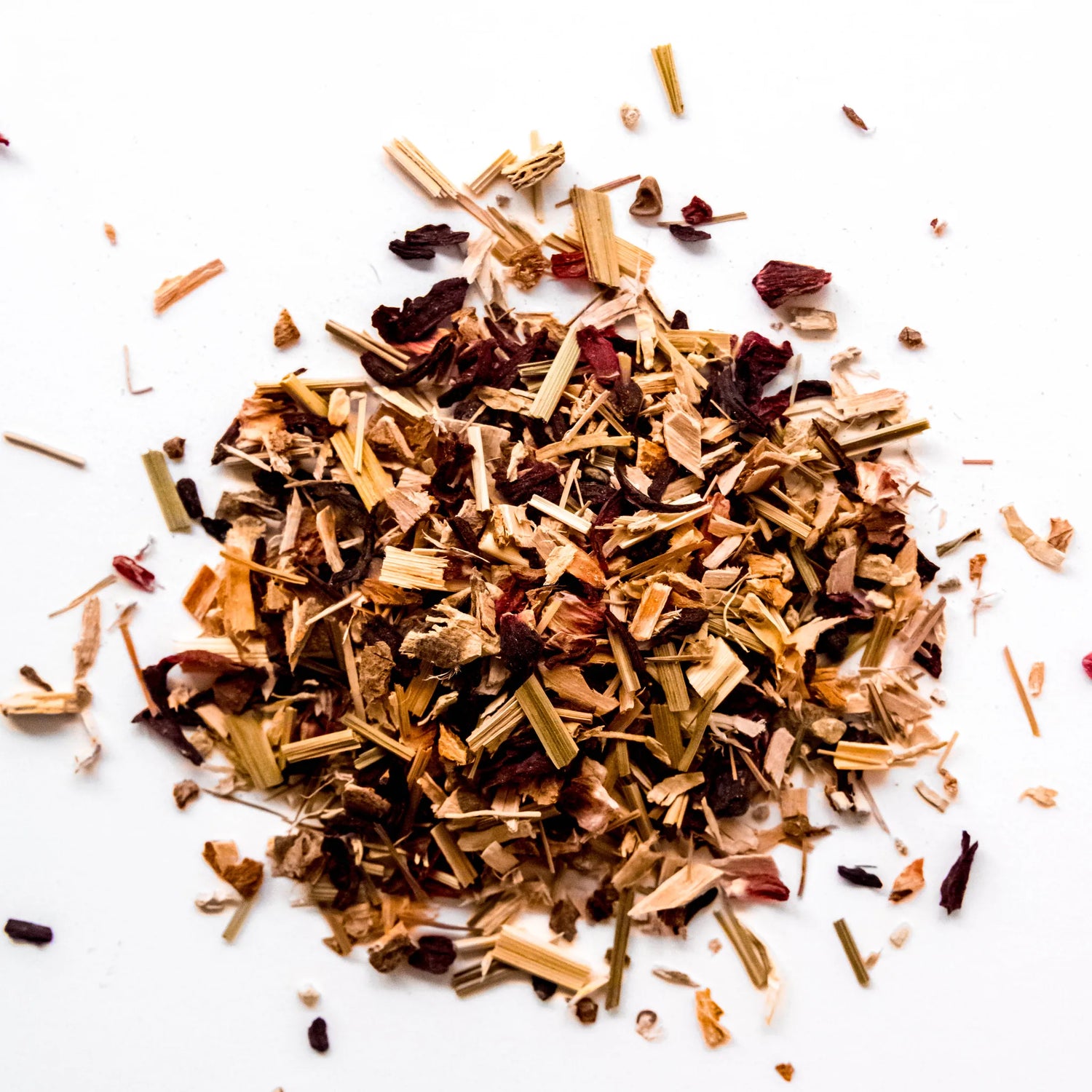
Loose leaf herbal tea blend with dried grass, wood chips, and dark red flower petals scattered on white background, by Yerba Buena Tea Company.
Product image 2, can be opened in a modal.
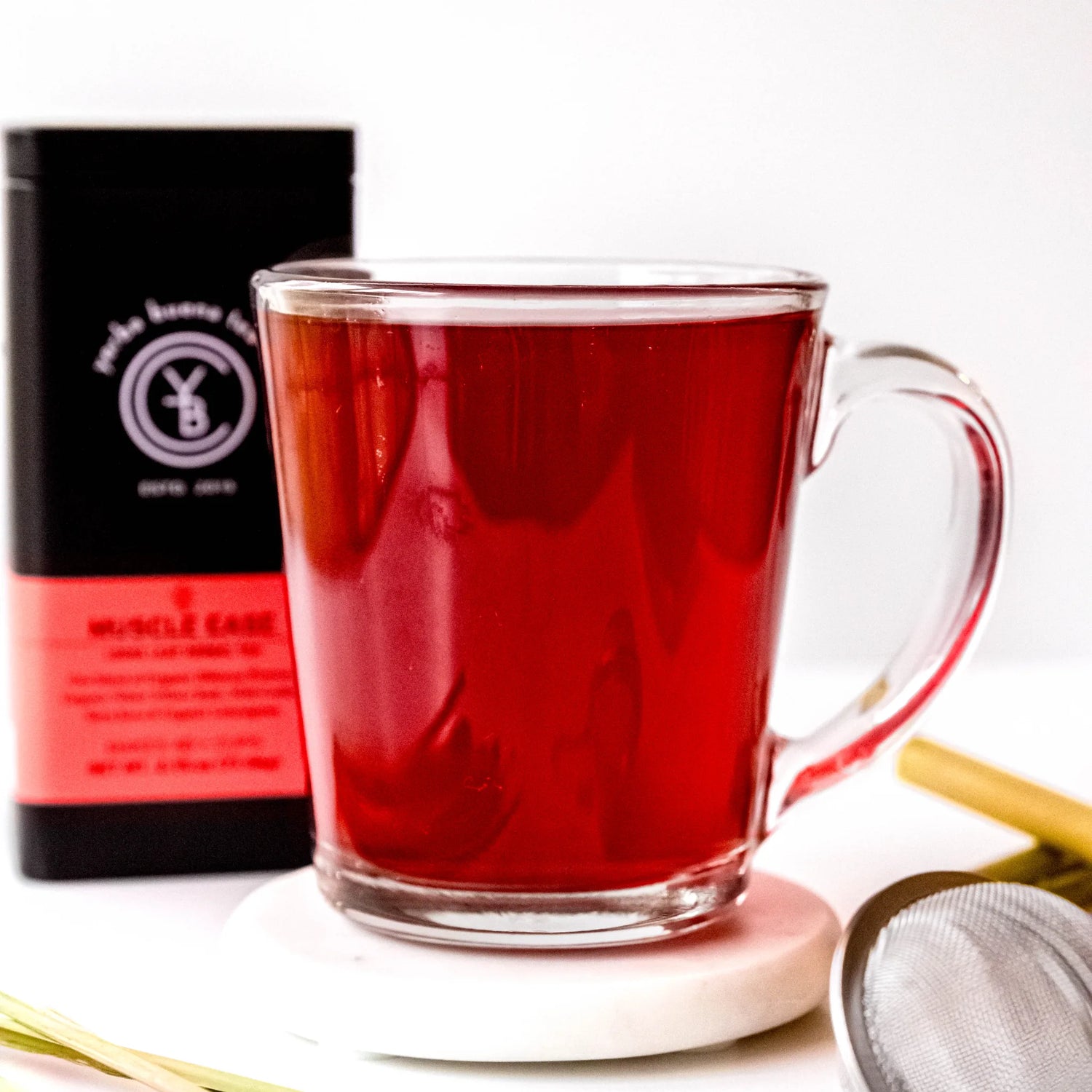
Brewed red tea in clear glass mug beside black and coral tea package with logo, by Yerba Buena Tea Company.
Product image 3, can be opened in a modal.
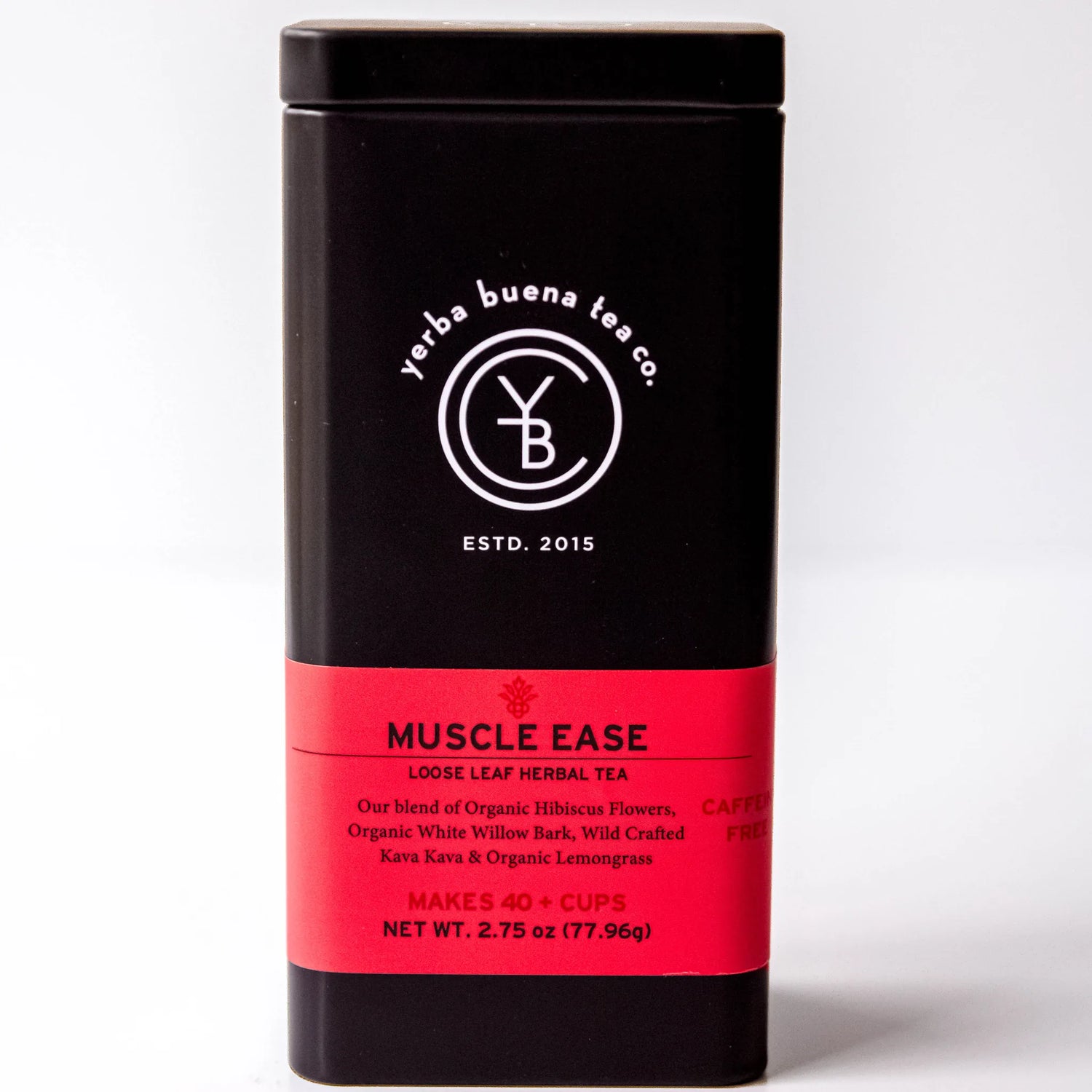
Muscle Ease loose leaf herbal tea in a sealed black canister with red label band, by Yerba Buena Tea Company.

Organic Herbal Tea | Tart & Functional | Caffeine-Free

Organic Muscle Ease Recovery Tea

Blended in Oregon Mint Earthy

Kava root and white willow bark in a tart hibiscus-lemongrass base. The post-workout cup for muscle tension and the aches that settle in after hard work.

Ingredients: Organic Hibiscus Flowers, Organic Kava Root, Organic Lemongrass, Organic White Willow Bark.

Regular price $18.00 USD
Regular price Sale price $18.00 USD
Shipping calculated at checkout.
Size: Tea Tin
  • Free shipping $70+
  • Small business
  • Secure checkout
About Muscle Ease

The functional recovery blend for muscle tension and post-workout soreness.

Four herbs, working together. Kava root releases kavalactones, compounds that act on the nervous system to physically relax muscle tension without fogging the mind. White willow bark contains salicin, the compound that became the blueprint for aspirin in the 19th century, used in Western herbalism for aches since ancient Greece. Hibiscus and lemongrass turn the earthy roots into something you want to drink: tart, citrusy, thirst-quenching. The cup tastes like cranberry-lemonade with a bite.

Why the kava-willow pairing works.

Most recovery blends pick one lane. Kava blends relax the nervous system but skip the anti-inflammatory action. Willow bark blends address the ache but skip the tension. This blend covers both, because the body after a hard workout or a long day of physical labor often needs both. The kava works on the muscle tension, the willow works on the inflammation, the hibiscus makes it drinkable.

How to use it.

Steep 1.5 teaspoons in 8 ounces of full-boil water for 7 minutes. Hot after cold-weather exertion, iced after summer workouts. The longer steep extracts the kavalactones and salicin. A mild numbing sensation on the tongue is normal and expected with quality kava. Blended in our Salem, Oregon kitchen.

Organic Ingredients
  • Organic Hibiscus Flowers
  • Organic Kava Root
  • Organic Lemongrass
  • Organic White Willow Bark
Tasting Notes

Aroma: Tart and citrusy. The scent is dominated by lemongrass and the fruity, cranberry-like character of hibiscus.

Flavor: Complex and layered. Opens with the sharp tartness of hibiscus, then the peppery, earthy bite of kava and willow bark moves through the middle. The lemongrass brightens the finish.

Finish: Dry and clean, with a mild mouth-numbing sensation. That numbing is the kavalactones working, the mark of potent kava root.

Why You'll Love It

White Willow Bark, the original pain-relief herb: Salix alba has records of medicinal use going back to ancient Greece and Egypt, with Hippocrates recommending willow bark tea for pain and fever around 400 BCE. The inner bark contains salicin, a glycoside compound that the body converts into salicylic acid. In 1897, chemists at Bayer used the compound as the blueprint for acetylsalicylic acid, better known as aspirin. The same mechanism, slower and gentler.

Kava Root, the Pacific muscle relaxant: Piper methysticum has been used in ceremonial and medicinal contexts across Polynesia, Melanesia, and Micronesia for over 3,000 years. The root contains kavalactones, compounds that bind to GABA receptors in the brain and induce physical relaxation without sedating the mind. Traditional Pacific Island use includes the kava ceremony, where the root is ground and steeped in water to create a drink shared before important gatherings.

FDA Advisory: Kava has been associated with rare cases of severe liver injury. Ask a healthcare professional before use if you have liver problems, frequently use alcoholic beverages, or are taking any medication. Not recommended for children, pregnant or nursing women, or individuals with aspirin allergies or on blood-thinning medications.

Muscle Ease loose leaf herbal tea in a sealed black canister with red label band, by Yerba Buena Tea Company.

Muscle Ease

Regular price $18.00 USD
Regular price Sale price $18.00 USD
TeaSalem, Oregon

Organic Muscle Ease Recovery Tea

Steep deep. Sip relief.

Caffeine: None
8.0 oz
Water
212°F
Temperature
1.5 tsp
Leaf
7 min
Steep Time
1
Cup

Craft Your Cup

A few notes from our teamakers.
Post-Workout Iced Recovery
Brew 1.5 teaspoons in 8 ounces of full-boil water for 7 minutes. Strain, then pour over ice immediately. Add a squeeze of lime and a small drizzle of honey. The tartness cuts through thirst, the kava and willow do their work as the body cools down. Drink within 30 minutes after exercise, when the muscles are still warm and receptive.

The Cold-Weather Soak Cup
Brew hot, steep 7 minutes, drink slowly while sitting still. The ritual matters as much as the tea. After a day of manual labor, yard work, or cold-weather hiking, the body holds tension it does not know how to release. The warmth of the cup, the slowing down to sip it, and the kava working on the nervous system all contribute to the same release.

Evening Wind-Down with Epsom Salt Bath
Brew the tea hot, pour a hot Epsom salt bath, sip the tea while soaking. The magnesium sulfate in the Epsom salt works on the muscles from the outside, the kava and willow work from the inside. A recovery ritual borrowed from athletic training rooms and adapted for home use. Best done in silence or with minimal sound.

Loose leaf herbal tea blend with dried grass, wood chips, and dark red flower petals scattered on white background, by Yerba Buena Tea Company.

Your Questions About Muscle Ease, Answered.

Is this safe for everyone?

This blend contains both kava root and white willow bark, each with specific contraindications. Kava has been associated with rare cases of severe liver injury and should not be used by individuals with liver problems, those who frequently consume alcohol, or anyone taking medications metabolized by the liver. White willow bark contains salicylates (the same compound family as aspirin) and should be avoided by individuals with aspirin allergies, bleeding disorders, or those taking blood-thinning medications. Not recommended for children, pregnant or nursing women, or anyone under medical care without consulting a qualified healthcare practitioner first.

Why does my mouth feel numb?

That numbing sensation is the kavalactones in the kava root, working exactly as they should. High-quality kava contains six major kavalactones that bind to receptors in the mouth and throat, creating a temporary, harmless tingling or numbing effect. The sensation is considered a quality marker in traditional Pacific Island kava preparation. It fades within 20 to 30 minutes and signals that the kava is potent.

Does it taste like medicine?

Kava root and white willow bark are naturally earthy and bitter, but the hibiscus and lemongrass balance them into something tart, bright, and drinkable. The cup tastes closer to a cranberry-lemonade with an herbal bite than a medicinal tea. The earthiness sits underneath the tartness, noticeable but not dominant.